
If you’re planning a whole-home remodel, one of the first questions you’ll ask is: how long is this actually going to take?
It’s a fair question. Unfortunately, the honest answer is that it depends. Larger projects with significant structural changes, custom millwork, or complex permitting can push past a year. Smaller cosmetic refreshes that include only new floors, paint, and updated fixtures can take much less time. ‘
What most homeowners don’t realize is that a significant portion of that time happens before any construction begins. Planning, design, and permitting alone can account for nearly a quarter of your timeline. Skipping that groundwork is the fastest way to make a project go sideways.
Key takeaways:
- Most whole-home remodels take between six months and a year from first consultation to move-in
- The planning and permitting phase often takes longer than people expect, up to four months.
- The primary cause of delays is indecision on finishes and materials
- In the Bay Area, city permitting timelines vary widely and should be treated as a wildcard
- Working with an experienced contractor (like one who manages design, millwork, and construction together) significantly compresses the timeline
How Long Does a Home Remodel Take?
The timeline for a whole-home remodel depends heavily on what you’re actually changing. There’s a big difference between a cosmetic refresh and a gut renovation, and it’s worth understanding where your project falls before you start planning.
Cosmetic updates across an entire home can take two to four months. These projects don’t require significant permitting, don’t disturb structural elements, and can often be sequenced room-by-room to keep disruption manageable. You can likely live at home during this type of remodel.
Partial renovations like updating a kitchen and two bathrooms while refreshing the rest of the home typically land in the four- to eight-month range. These projects introduce plumbing and electrical work, which require permits and inspections that add time even when everything goes smoothly. Again, these projects don’t always necessitate a move-out, though you will find them more disruptive.
Full whole-home renovations, where you’re reconfiguring layouts, updating all mechanical systems, adding an addition, or taking the home down to studs, realistically require nine months to a year (and sometimes more). In the Bay Area specifically, where older homes often carry hidden structural surprises and city permitting can be unpredictable, building a conservative timeline from the start is simply good planning.
Step-by-Step Overview of Whole Home Remodel
Understanding how a remodel unfolds makes the timeline feel less ambiguous and more manageable. Here’s how a typical whole-home project breaks down:
1. Discovery & Design: 4–8 Weeks
Every remodel starts with a conversation. Your contractor will visit the home, take measurements, discuss your vision, and begin translating your ideas into a scope of work. Design revisions, material selections, and finish decisions all happen in this phase.
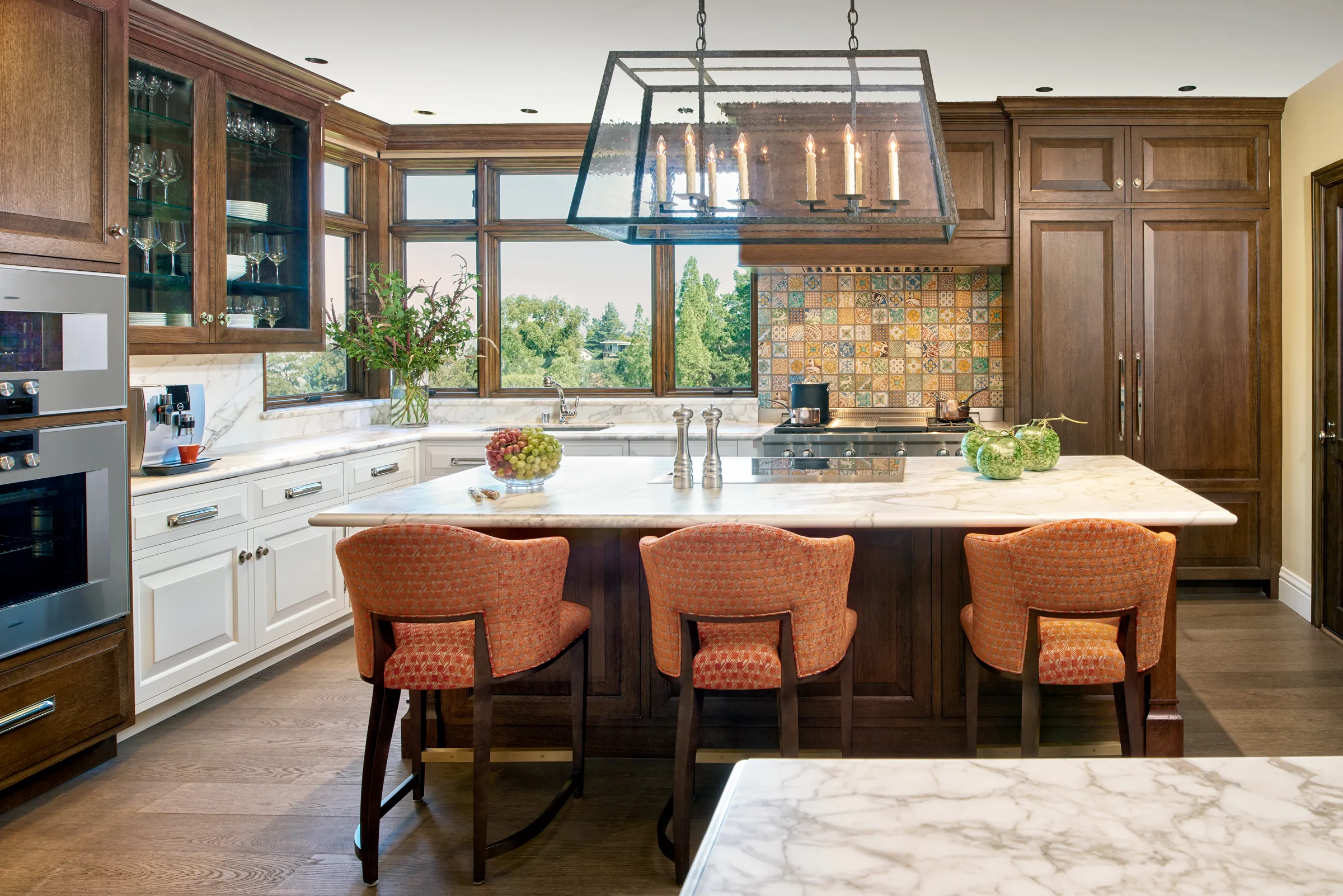
If your project includes custom cabinetry or millwork, those selections need to happen here, not later. Custom pieces, like the wood cabinetry in this neutral, bright, and airy remodel, have long lead times, so you need to plan in advance so they’ll be ready when construction begins.
2. Permitting & Pre-Construction: 4–12 Weeks
Permitting can be one of the longest stretches of your project. Any work touching structural elements, plumbing, or electrical requires permits. In straightforward cases, those permits can be approved in a few weeks. In San Francisco and other Bay Area cities, more complex projects can wait months for approval, particularly in historic districts or on properties with existing code issues.
Because of this lengthy window and long lead times for custom items, design and permitting can usually run concurrently, not sequentially.
3. Demolition: 1–2 Weeks
Demolition is the fastest phase, and yet also the one that can cause the most delays. Once walls open up, hidden conditions become visible. Outdated wiring, water damage, inadequate insulation, or structural issues don’t show up on any blueprint, but can be uncovered once demo starts. In Bay Area homes, many of which are older Craftsman, Victorian, or mid-century builds, finding something unexpected behind the walls is more the rule than the exception.
A good contractor will have a plan for handling these discoveries without derailing the project. It’s also worth budgeting 10–15% of your overall project cost as a contingency for exactly this reason.
4. Framing, Plumbing, Electrical & HVAC: 4–8 Weeks
This is the heart of the construction phase. Structural framing, new walls, rough plumbing, electrical runs, and HVAC work all happen here.
During this phase, each trade requires its own inspection before the next phase can begin. These inspections need to be scheduled, and backlogs at city building departments can introduce delays that are entirely outside your contractor’s control. An experienced contractor anticipates this and schedules inspections early, rather than calling them in at the last minute.
5. Insulation & Drywall: 1–3 Weeks
Once rough inspections pass, insulation goes in, and walls close up. This phase moves quickly, but it’s a psychological turning point in any remodel because your house starts to look like a home again. After weeks of exposed framing and open ceilings, seeing finished walls is a meaningful milestone.
6. Flooring, Cabinetry, Tile, Paint & Trim: 4–8 Weeks
This is where your vision starts to become reality. Flooring is installed, cabinetry and millwork are delivered and set, tile work is completed, painters move through, and trim is fitted and finished.
For a high-end whole-home remodel, this phase deserves time and patience. Rushing these detail-oriented tasks is where quality gets lost. Custom cabinetry installation and fine millwork in particular require precision. They need to be done carefully, especially when pieces are built to exact specifications for a specific space.
This phase is also where the accumulated benefit of thorough upfront planning pays off. When every finish has been selected, every piece has been ordered, and every subcontractor knows their schedule, the final stretch moves efficiently. When those things haven’t been sorted out, this phase drags.
7. Final Fixtures, Punch List & Walkthrough: 1–3 Weeks
This phase includes the finishing touches like connecting appliances, hanging light fixtures, and making sure everything is just right. A formal punch list, or a documented inventory of anything that needs correction, adjustment, or completion, is completed alongside your contractor, and every item is resolved before final sign-off. Final inspections close out the permits, and your home is officially ready.
Each phase adds up. Take a look at the timelines for different tasks to help you get a picture of your entire remodel process.
What Influences a Home Remodel Timeline
Here are the factors that most commonly compress or extend a project timeline.
Project Scope and Complexity
Larger, more complex projects simply take longer. An 800-square-foot home getting a cosmetic refresh is a fundamentally different undertaking than a 3,500-square-foot home being reconfigured from top to bottom.
Permitting and Local Approvals
Nowhere is this more consequential than in the Bay Area. San Francisco, in particular, is known for permitting timelines that can stretch significantly for complex projects. Working with a contractor who knows the local permitting process can save weeks.
Material Lead Times
Custom cabinetry, specialty tile, imported stone, and high-end appliances can all have lead times of two months or more. If these aren’t ordered at the right point in your project, typically during the permitting phase, you’ll find yourself with a fully framed house and nothing to put in it.
Structural Surprises
Older homes reveal themselves during demolition. Knob-and-tube wiring, galvanized plumbing, inadequate subfloors, and water damage are among the most common discoveries in Bay Area homes that were built decades ago. These aren’t reasons to avoid renovation, but they are reasons to work with experienced contractors who know how to handle them without turning a discovery into a crisis.
Homeowner Decision-Making
This is the most underestimated factor on any list like this. Change orders mid-project, delayed approvals on design revisions, and difficulty making finish selections are among the most common causes of project delays.
How Your Contractor Can Speed Up Your Whole Home Remodel
The right contractor can meaningfully compress a timeline, while the wrong one can make even a simple project feel endless. Here’s what to look for.
Integrated design, millwork, and construction
One of the most common sources of delay in large remodels is the handoff between separate firms. For example, the designer approves something the cabinet maker can’t build, or the contractor gets drawings that don’t account for site conditions. When design, custom cabinetry, and construction are managed under one roof, those handoffs disappear. It’s one of the core advantages Watershed Built offers: two decades of remodeling expertise and custom millwork craftsmanship working in concert from day one.
Established trade relationships
How quickly subcontractors show up and how well they perform depends heavily on the relationships your general contractor has built over time. Contractors who have worked with the same plumbers, electricians, and tile setters for years have developed a reliable network, which will pay off when your schedule needs to stay on track.
Proactive material procurement
Experienced contractors order long-lead materials well before they’re needed, often during the permitting phase. This eliminates one of the most common causes of mid-project delays.
Local permitting knowledge. In the Bay Area, knowing how to navigate local building departments is a genuine skill. Contractors who are familiar with specific city requirements, who know which inspectors to call and when, and who file complete and correct permit applications the first time save their clients weeks of unnecessary waiting.
Clear, consistent communication.
A good contractor keeps you informed without making you chase them. Regular updates, milestone check-ins, and a single point of contact mean you’re never left wondering where your project stands. This also means you are better prepared to make decisions when you need to, versus
Ready to Start Planning Your Whole-Home Remodel?
The best time to start a conversation about your timeline is earlier than you think. Between design, permitting, and pre-construction preparation, the groundwork for a great home remodel takes time, and the homeowners who end up happiest are those who start that process with clear expectations and a team they trust.
If you’re considering a whole-home remodel in the San Francisco Bay Area, we’d love to talk. Contact Watershed Built to schedule a consultation.