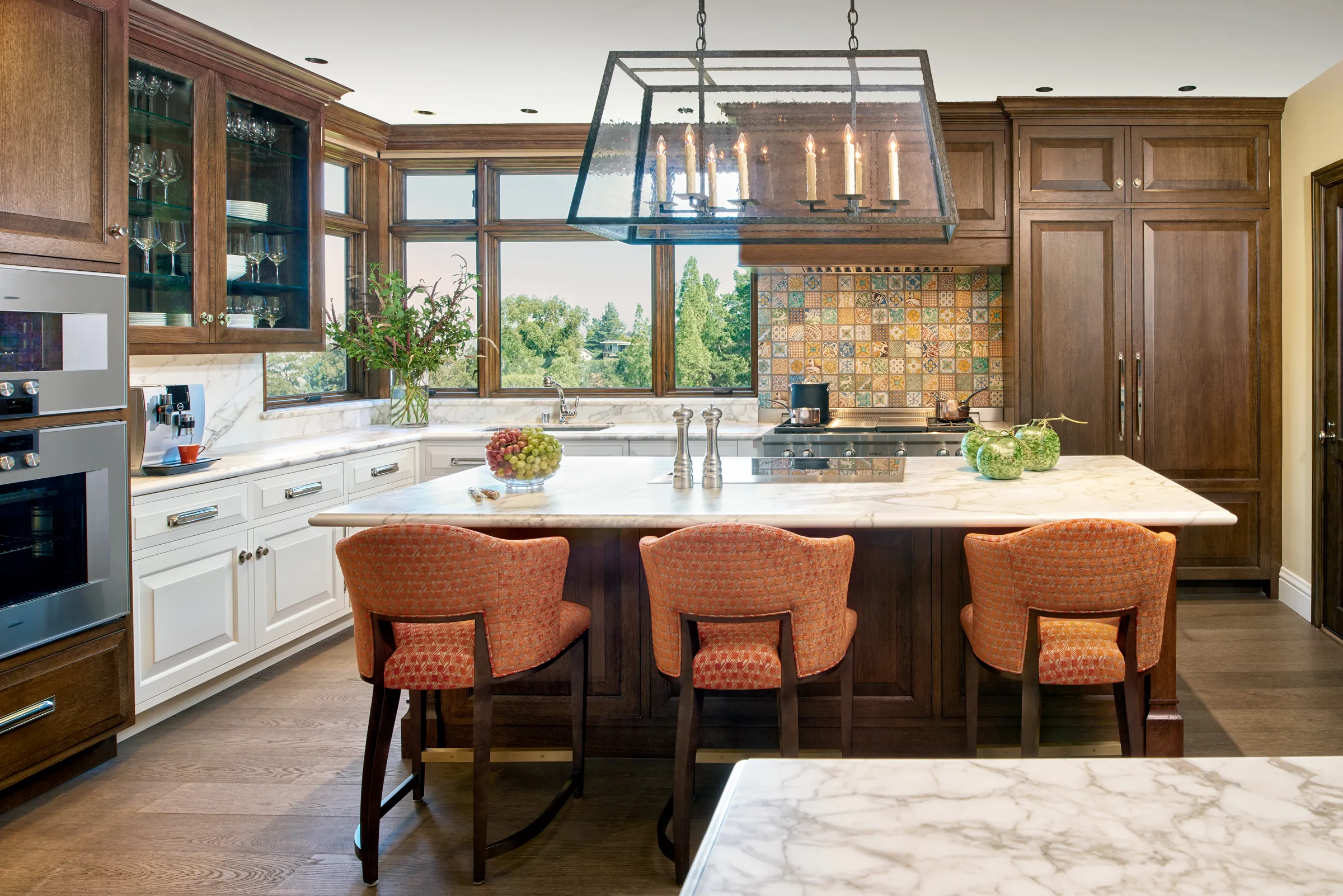

If you’ve ever walked into a home and thought, “This place just feels complete,” there’s a good chance millwork played a role. Millwork adds character, depth that drywall alone just can’t deliver. From detailed trim to built-in cabinetry, millwork polishes a home’s interiors, ensuring it feels – well, finished. For Bay Area homeowners planning a remodel or custom build, understanding millwork helps you make smarter design decisions and get more out of your investment.
At Watershed Built, we’re proud producers of gorgeous custom millwork across the Bay Area. In this article, we’ll break down what millwork is, where it shows up in the home, how custom millwork compares to off-the-shelf options, and why it’s such a popular choice across the San Francisco metropolitan region.
What is Millwork?
Millwork is a broad term used to describe decorative building elements that are fabricated in a mill and installed as part of a home’s interior or exterior. Traditionally, this meant pieces made from solid wood, but today millwork can also be crafted from engineered wood products and other durable materials designed for stability and consistency.
What sets millwork apart is its purpose. It’s not structural like framing or flooring. Instead, it’s architectural and aesthetic. Millwork frames spaces, defines transitions, and adds visual interest.
Common examples of millwork include:
- Baseboards and trim
- Crown molding
- Door and window casings
- Interior doors
- Wall paneling and wainscoting
- Stair parts like railings and balusters
- Fireplace mantels
- Decorative brackets and corbels
In short, millwork is the layer that turns a house into a thoughtfully designed home.
Where is Millwork Used?
Millwork shows up in more places than most people realize. Once you know what to look for, you’ll start spotting it everywhere.
Inside the home, millwork is commonly used around doors and windows, along ceilings, at the base of walls, and anywhere cabinetry meets architecture. Living rooms often feature crown molding or custom mantels. Kitchens rely on millwork for cabinet details, range hoods, and trim that ties everything together. Bedrooms, offices, and dining rooms use millwork to add warmth and definition through paneling or built-ins.
Outside, millwork can be found in door surrounds, brackets, shutters, and architectural accents that boost curb appeal. In historic San Francisco homes and classic Bay Area neighborhoods, exterior millwork is especially important for preserving original character while making thoughtful updates.
Custom vs Standard Millwork
Not all millwork is created the same way. Homeowners typically choose between standard, pre-made millwork and custom millwork designed specifically for their space.
Standard millwork is mass-produced in common sizes and profiles. It’s readily available and works well for straightforward projects where speed and simplicity matter.
Custom millwork, on the other hand, is designed and fabricated to fit your home exactly. Profiles, dimensions, materials, and finishes are all tailored to your vision and the existing architecture. See an example below from our team polishing a custom piece:
Benefits of Going Custom
Custom millwork is all about precision and intention. Key highlights include:
- A perfect fit: Older Bay Area homes rarely have perfectly straight walls or standard dimensions. Custom millwork is built to match your space, not force your space to match the product.
- Design flexibility: You’re not limited to what’s on a shelf. Custom millwork lets you replicate historic details, create modern profiles, or blend styles in a way that feels cohesive.
- Higher level of craftsmanship: Custom pieces are typically built with greater attention to detail. Joints, finishes, and proportions are carefully considered, which shows in the final result.
- Long-term value: Well-designed custom millwork can elevate the overall feel of a home and support resale appeal, especially in competitive San Francisco area markets.
Millwork vs. Casework
Millwork and casework are often mentioned together, but they’re not the same thing.
Millwork refers to architectural elements that are typically installed as part of the building itself. These pieces often have decorative profiles and are integrated into walls, ceilings, and openings. A great example would be wall trim.
Casework refers to box-shaped components like cabinets, drawers, shelving units, and storage systems. Casework is commonly manufactured in standard sizes and then installed on site, although it can also be custom-built.
Think of millwork as the framing and detailing, while casework is the functional storage. In many high-end remodeling projects, the two work together to create a seamless, built-in look.
Bay Area Custom Millwork & Cabinetry
In the Bay Area, millwork can serve as a tip of the hat to the region’s architectural history while still adapting homes for modern aesthetics. From Victorian detailing in San Francisco to clean-lined custom homes in Marin and Silicon Valley, millwork plays a key role in tying designs together.
At Watershed Built, we offer both custom millwork and home remodeling services to bring your home’s vision to life. Whether it’s custom cabinetry that fits an awkward alcove, trim that matches a century-old profile, or modern millwork that gives a remodel a clean, intentional finish, custom solutions make the difference.
If you’re planning a renovation or exploring custom millwork anywhere in the San Francisco area, working with a team that understands local architecture and craftsmanship standards helps ensure the final result feels thoughtful, cohesive, and built to last.
Contact us today to begin your millwork project.